
A primary bathroom renovation is one of the most complex projects you can take on in your home. It touches plumbing, electrical, waterproofing, surfaces, fixtures, cabinetry, and lighting, all within a relatively small footprint where every inch matters. The number of decisions is substantial, and the order in which you make them is just as important as the decisions themselves.
Most of the costly mistakes we see in bathroom remodeling do not come from choosing the wrong tile or picking the wrong faucet. They come from making decisions out of sequence. Selecting a freestanding tub before confirming where the drain sits. Ordering custom cabinetry before the layout is final. Starting demolition before materials arrive on site. Each of these missteps creates a chain reaction of delays, rework, and added cost that could have been avoided with better planning.
This guide walks through the sequence that experienced professionals follow, so you can approach your renovation with a clear roadmap rather than a scattered wish list.
Start with Layout and Structural Questions
Before you look at a single tile sample or browse fixture catalogs, you need to answer the foundational question: does your existing bathroom footprint work, or does it need to change?
This matters because layout determines where every pipe, wire, and drain line goes. And those rough-in elements are the most expensive things to move once construction begins. Keeping fixtures on their existing walls and drain lines is always the most budget-friendly path. Relocating a toilet to a new wall, for example, can cost two to three times what a same-wall move costs, because the drain line needs to maintain a specific slope across a longer run. Moving any fixture through a concrete slab adds significant expense on top of that.
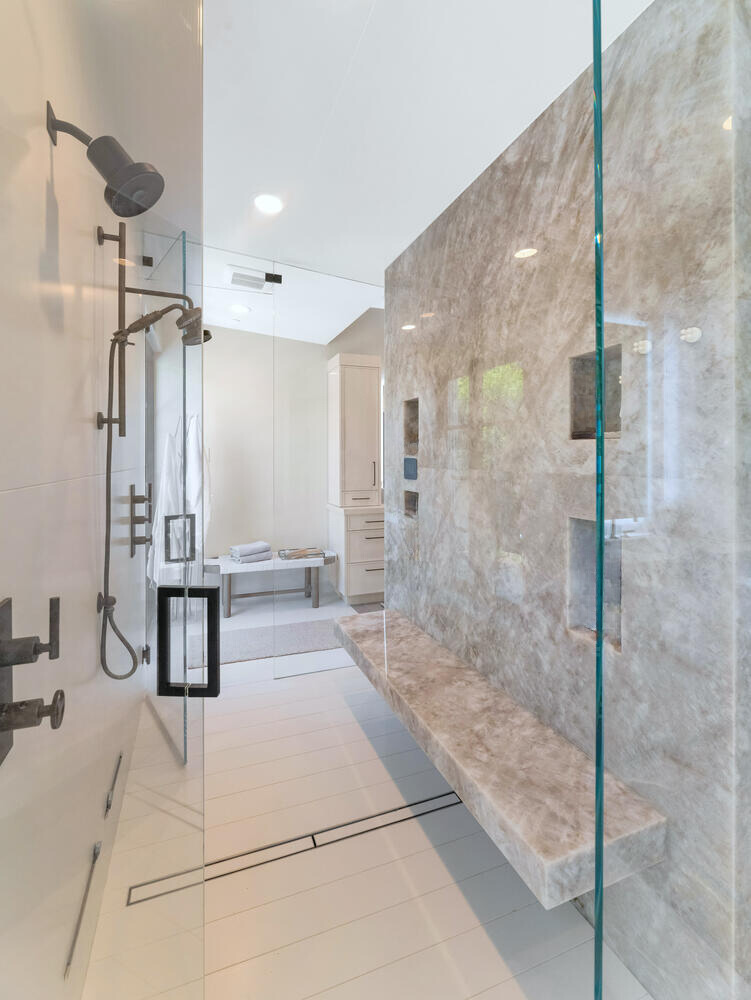
The biggest layout decision in most primary bathrooms is the shower versus tub question. More than half of design professionals now say an enlarged shower takes priority over including a bathtub, according to the NKBA’s 2026 Bath Trends Report. Curbless and low-curb showers account for roughly two-thirds of shower renovations today, driven by a combination of aesthetics, accessibility, and aging-in-place planning. If you are weighing this choice for your own space, our upcoming guide to walk-in showers versus freestanding tubs will cover the comparison in detail.
Beyond the shower-or-tub decision, consider door and window placement, whether you want single or dual vanities, and whether the toilet should be compartmentalized. Each of these choices has plumbing and framing implications that need to be resolved before anything else moves forward.
Establish Your Fixture and Feature Priorities
Once the layout is set, the next step is ranking your must-haves against your budget reality. Most homeowners walk into a renovation wanting everything: dual vanities, an oversized shower with a rain head and body sprays, heated floors, a soaking tub, and custom cabinetry with soft-close everything. In a luxury primary bathroom, many of those features are achievable. But even with a generous budget, you still need to prioritize because certain features require early planning that cannot be added later.
A useful way to think about it is in tiers. Your first tier is non-negotiable infrastructure: layout, waterproofing, ventilation, and electrical work. These are invisible once the bathroom is finished, but they are catastrophic when they fail. Never cut corners here. Your second tier is high-impact permanent elements: the shower system, plumbing fixtures, tile in wet areas, and the vanity. These define the character of the room and get used every day. Your third tier includes things like lighting design, the toilet, glass shower enclosures, and storage solutions, where multiple quality options exist at different price points. Your fourth tier is the easiest to change down the road: paint, hardware, mirrors, and accessories.
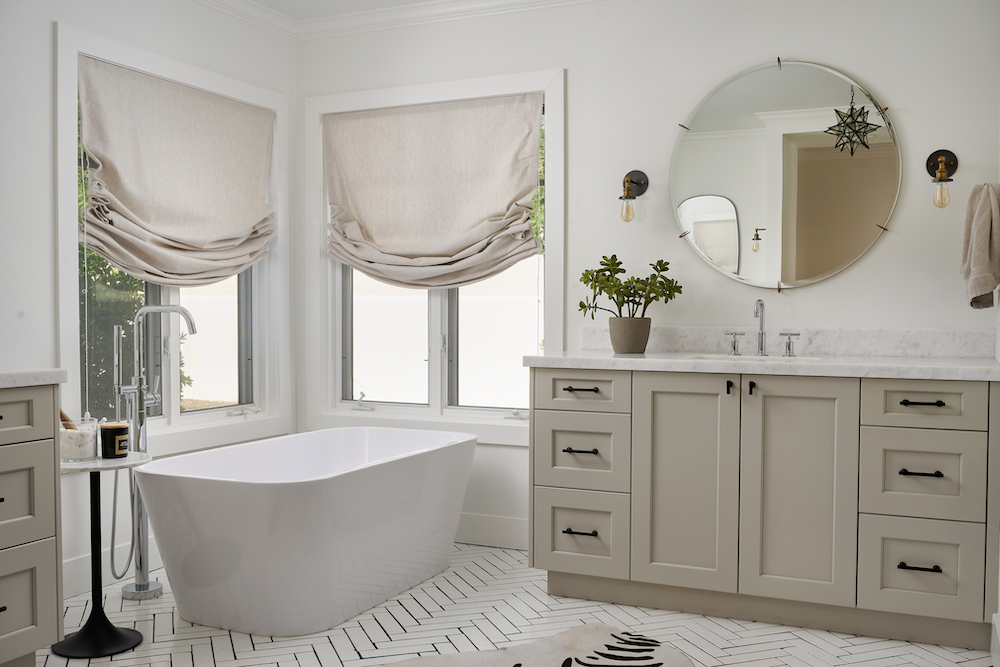
If accessibility is on your radar, whether for yourself, aging parents, or simply future-proofing the home, this is the stage to factor it in. Features like grab-bar blocking, curbless shower prep, wider doorways, and comfort-height vanities cost very little when planned from the start and a great deal when retrofitted later. Our guide to accessible bathroom design that still feels like a luxury retreat covers this topic in depth.
Choose Surfaces and Materials Next
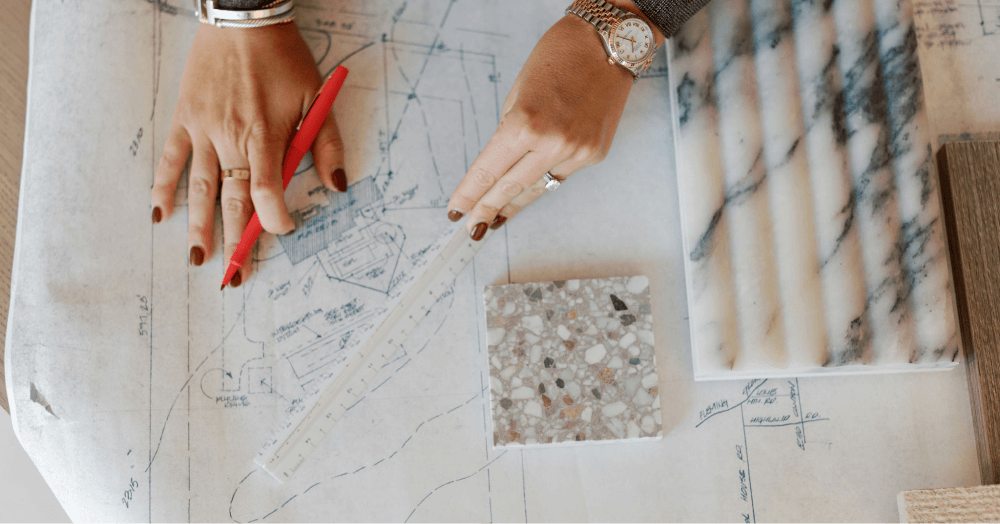
Tile, stone, and countertop selections come after layout and fixture decisions for a practical reason: you need to know the dimensions of every surface before you can accurately estimate material quantities, plan tile layouts, and avoid awkward cuts or misaligned patterns.
Material choices also have a direct impact on both timeline and budget. Natural stone slabs require longer lead times than ceramic tile. Large-format porcelain needs a perfectly level substrate and professional installation. Specialty or imported tile should be ordered months in advance to avoid holding up the entire project. The general rule is that all major materials need to be confirmed and on site before demolition begins. Idle contractor time while waiting for a backordered product is one of the most common sources of blown timelines.

Our upcoming guide to bathroom surface materials will cover the full range of options, from tile and stone to porcelain and beyond. For planning purposes, the key point is this: surface selection is a second-phase decision. Getting excited about a beautiful marble slab before you have confirmed your layout is a recipe for waste.
Cabinetry, Hardware, and Lighting Selections
These are the finish-layer decisions, and they come after the structural, plumbing, and surface choices are locked in. But “finish layer” does not mean last-minute. Custom cabinetry, in particular, carries lead times of eight to twelve weeks or more from order to delivery. Semi-custom options take four to eight weeks. That means your vanity needs to be selected and ordered during the design phase, well before construction starts.
Custom cabinetry does more than store towels. In a primary bathroom, the vanity is often the visual anchor of the room. Solid wood construction holds up to the humidity that will destroy particleboard cabinets within a few years. Soft-close drawers, built-in organizers, and specialized compartments for toiletries transform the daily routine. And the finish and style of the vanity set the tone for every other decision in the room.
Hardware is where you tie everything together. Cabinet pulls, towel bars, robe hooks, and shower fixtures should share a consistent finish, whether that is brushed nickel, matte black, polished brass, or something else. This is a relatively small investment with an outsized impact on how cohesive the room feels. It is also one of the easiest things to update years later if your tastes change.
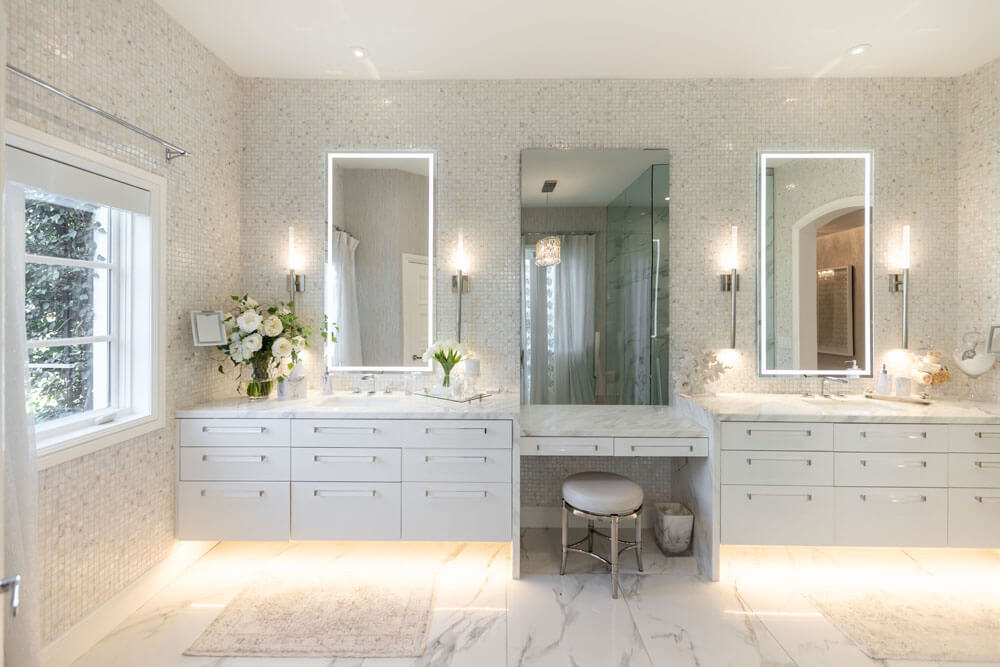
Lighting deserves more attention than most homeowners give it. A single overhead fixture is the most common lighting mistake in bathroom design. The professional standard calls for layered lighting: ambient light for general illumination, task lighting flanking the mirror at roughly eye height to eliminate facial shadows, and accent or nighttime lighting (like LED strips under a floating vanity) for safe navigation without fully waking up. All of this needs to be planned during the electrical rough-in, because once drywall goes up, adding new fixture locations means opening walls.
Common Planning Mistakes to Avoid
Beyond the sequencing issues already covered, a few specific mistakes come up repeatedly in bathroom renovations.
Ventilation is the most underestimated system in the room. Building code requires mechanical exhaust in every bathroom. For rooms under 50 square feet, that means a fan rated for at least 50 CFM. For larger primary bathrooms, the requirement scales to one CFM per square foot, with additional capacity needed for enclosed shower and toilet areas. Inadequate ventilation leads to mold growth, peeling paint, rusted fixtures, and deterioration of the framing behind your walls. A properly sized, quiet exhaust fan is not glamorous, but it protects every other investment you make in the room.
Storage is another frequent afterthought. A bathroom that photographs beautifully but has nowhere to put everyday items will frustrate you daily. Shower niches, recessed medicine cabinets, vanity drawer organizers, and linen storage all need to be planned during the design phase because they require specific framing and rough-in work.
Choosing trendy materials over durable ones produces regret faster than almost any other decision. Black faucets in areas with hard water show mineral deposits constantly. Dark grout shows every stain and discoloration. Standard drywall instead of moisture-resistant board warps in humid bathrooms. These are the kinds of details an experienced design team will flag before they become problems.
And finally, skipping the design phase to save money almost always ends up costing more. Per square foot, bathrooms are the most complicated rooms in a house. Plumbing, electrical, ventilation, and waterproofing are complex interrelated systems. Starting demolition without detailed construction drawings leads to mid-project changes that cascade through every trade, adding an estimated 10 to 15 percent to total costs.
Working with a Design-Build Team
If there is one theme running through this entire guide, it is that bathroom renovation decisions are deeply interconnected. The layout affects the plumbing. The plumbing affects the timeline. The timeline affects when materials need to be ordered. The materials affect the budget. When each of these elements is managed by a different person, communication gaps are almost inevitable.
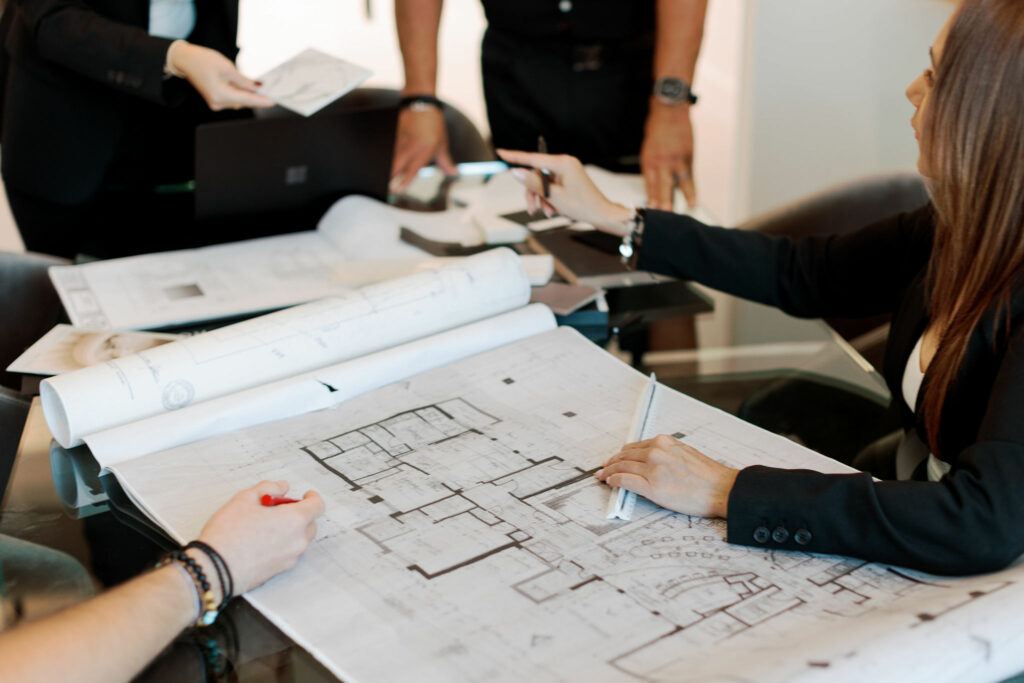
This is where the design-build approach provides its greatest value. When the same team handles both the design vision and the construction execution, every decision gets made with real-time awareness of its cost, feasibility, and impact on the schedule. The designer knows whether a layout change adds $3,000 or $15,000 to the project because the builder is sitting in the same room. The builder knows what materials are on order and when they will arrive because the designer coordinated the selections.
The Design-Build Institute of America reports that this integrated delivery method produces fewer change orders, fewer claims, and the highest owner satisfaction ratings of any project approach. For homeowners who do not manage construction projects for a living, having a single point of accountability makes the difference between a renovation that feels managed and one that feels chaotic.
You can learn more about how our team approaches this process on our luxury home design process page.
Start the Conversation Early
The most important takeaway from this guide is also the simplest: the planning phase is where you save money, not the construction phase. Spending a few extra weeks in design, finalizing your layout, ordering long-lead materials, and resolving the details before the first hammer swings costs you very little. Making those same decisions mid-construction, with tradespeople on the clock and a gutted bathroom you cannot use, transforms a well-budgeted project into an expensive one.
If you are beginning to think about a primary bathroom remodel in Scottsdale, even if you are months away from starting construction, the best thing you can do right now is start the conversation with a team that can help you plan the right sequence.Work with us to start mapping out your renovation.