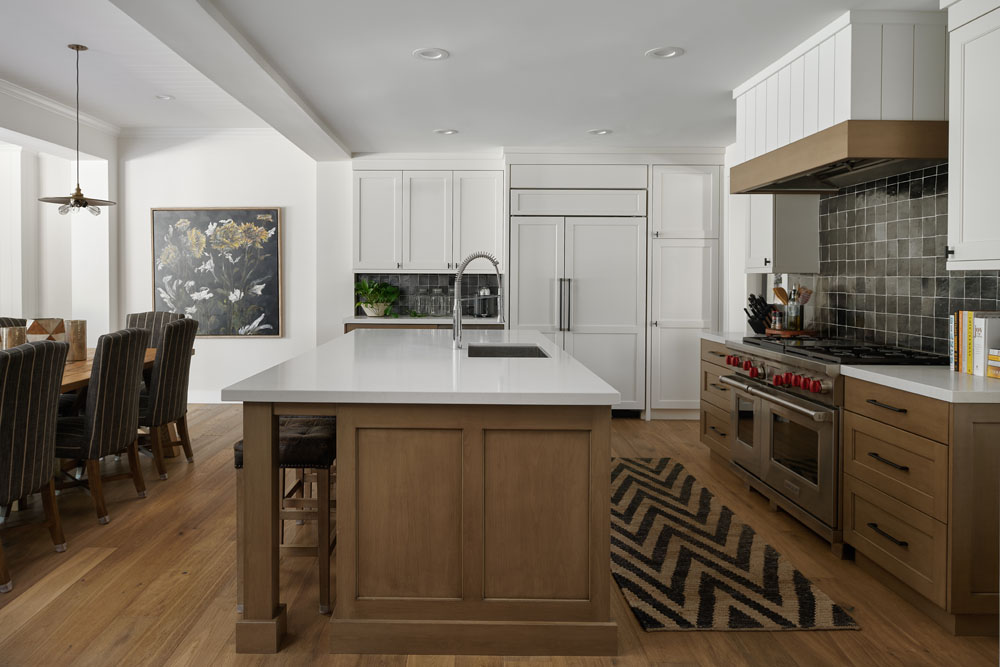
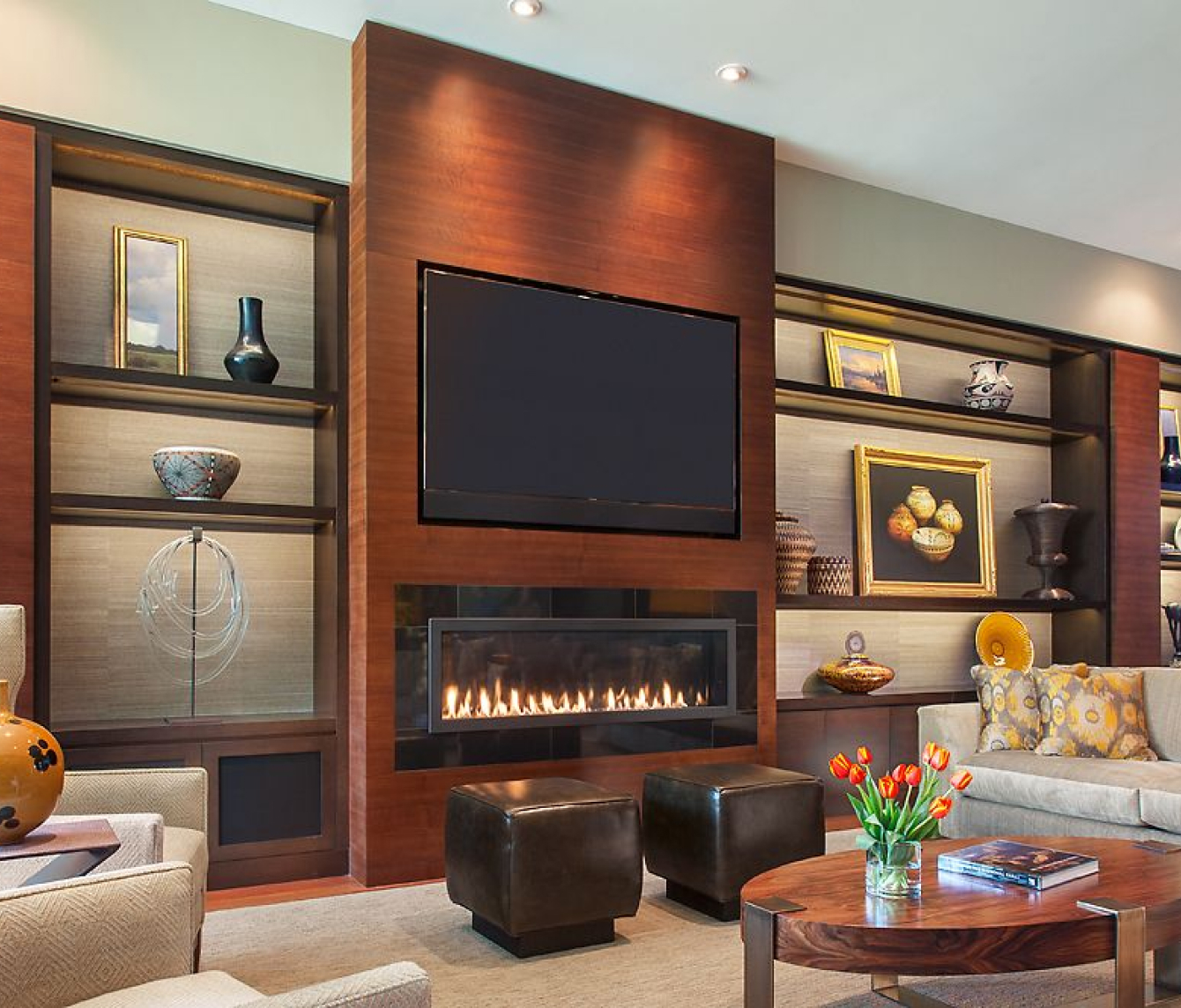

When homeowners think about custom cabinetry, the kitchen is almost always the first room that comes to mind. That makes sense. The kitchen is where cabinetry is most visible, most used, and most scrutinized. But the rooms where built-in cabinetry makes its biggest lifestyle impact are often the ones that get the least attention: bathrooms, closets, home offices, and utility spaces, where off-the-shelf options fall short of both the dimensions and the design intent.
If you have ever opened a bathroom vanity that swells in the humidity, wrestled with a wire closet shelf that bows under the weight of sweaters, or stacked office supplies on a bookshelf that was never designed for the task, you already understand the problem. The difference between standard solutions and true custom built-ins comes down to three things: dimensional precision, material selection, and construction quality. In a kitchen, most homeowners understand this instinctively. In a bathroom, closet, or home office, the same principles apply, but the specific demands of each space change what “quality” actually means.
This guide walks through what built-in cabinetry looks like room by room, and why the construction details matter as much outside the kitchen as inside it.
Custom Bathroom Cabinetry: Where Materials Matter Most
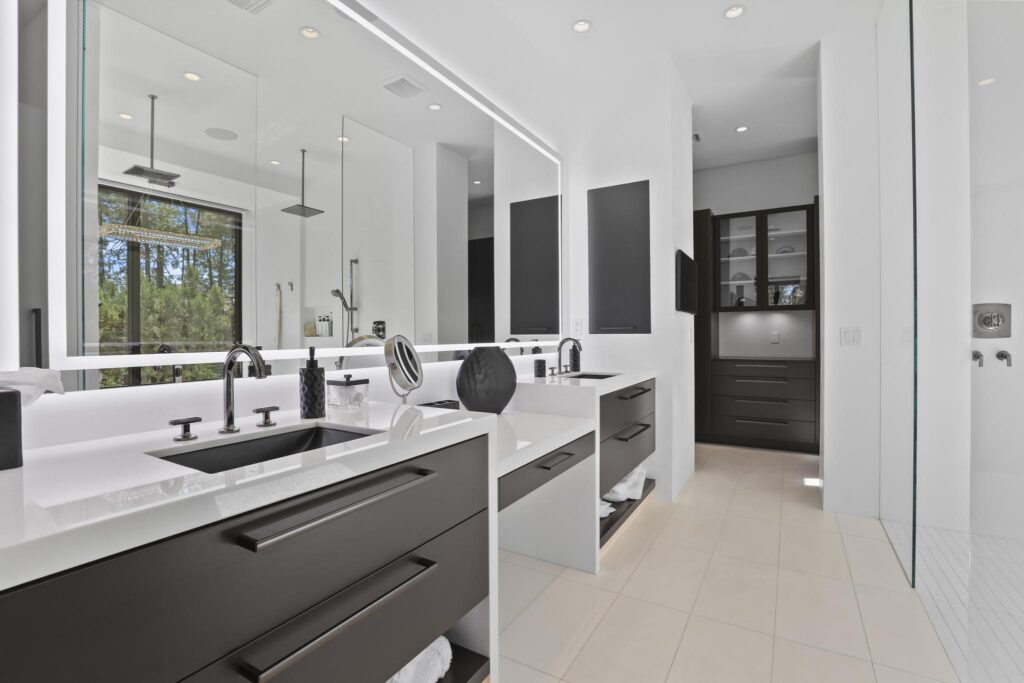
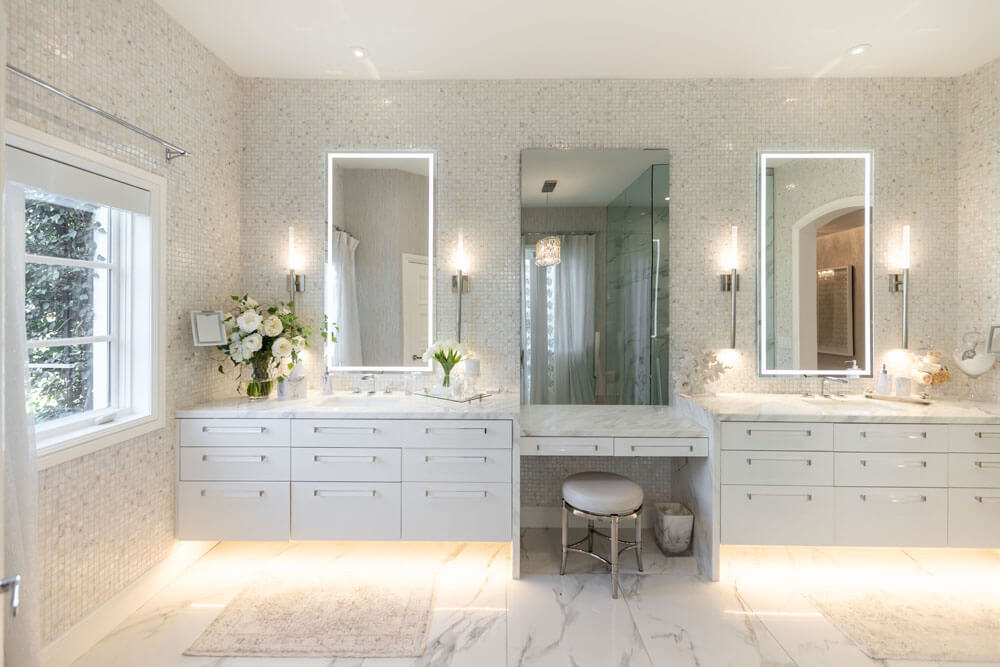
A bathroom vanity is not just a smaller kitchen cabinet with a sink on top. It operates in a fundamentally different environment, one defined by moisture, temperature swings, and direct water contact, and the construction has to reflect that.
Start with the box material. In a kitchen, standard furniture-grade plywood performs well for decades. In a bathroom, especially in Scottsdale where bathroom remodels often include oversized walk-in showers and soaking tubs, the humidity load is substantially higher. That is where moisture-resistant MDF or marine-grade plywood becomes essential. Not as an upgrade, but as the baseline material for cabinet boxes that will not warp or delaminate over time.
The finish is equally critical. A catalyzed conversion varnish or a two-part polyurethane system provides the chemical and moisture resistance that standard lacquer cannot. These are not decisions most homeowners think to ask about, but they are the reason a custom bathroom vanity still looks new after ten years while an off-the-shelf alternative shows water damage in three.
Beyond the vanity itself, bathroom cabinetry includes linen towers, recessed medicine cabinets, and built-in niches, all of which require the same moisture-conscious material approach. The NKBA’s bathroom planning guidelines establish clearance and dimensional standards for wet environments, but the material science behind every cabinet box is what determines whether the installation performs long-term.
Custom vanity configurations, whether floating, furniture-style, or double, each present different construction challenges. A floating vanity, for instance, must be engineered to carry the weight of a stone countertop and an undermount sink without visible brackets or a toe kick for structural support. That is a load-bearing problem, not a design preference, and it is the kind of detail that separates custom bathroom cabinets from something pulled off a showroom floor.
Walk-In Closets and Dressing Rooms: Construction That Matches the Bedroom
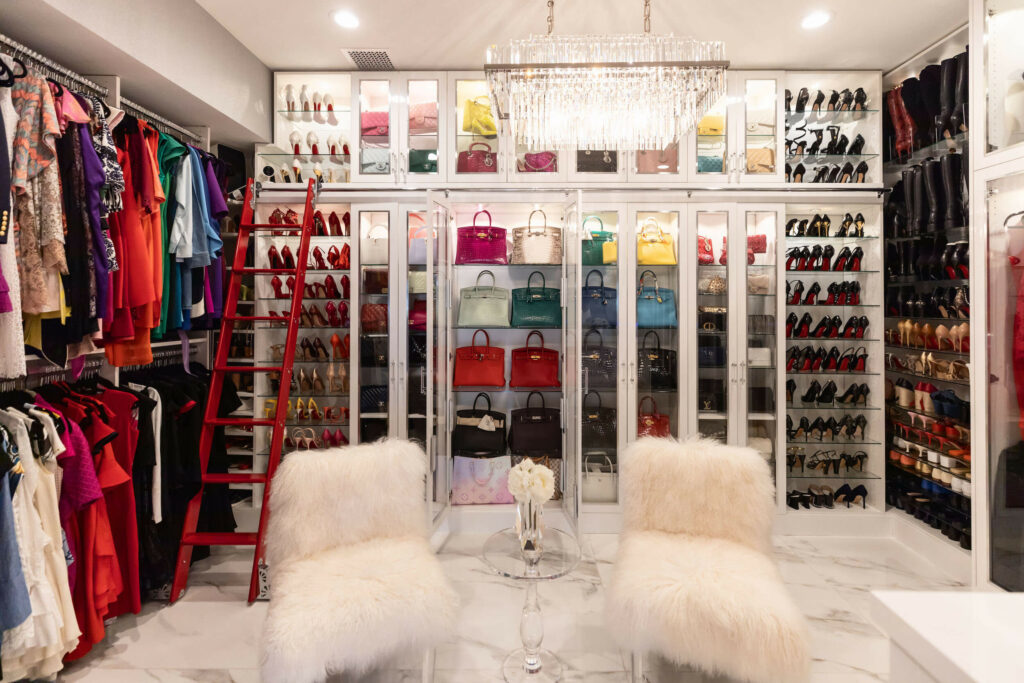
Walk-in closets are one of the top five most-wanted features among homebuyers, according to the NAHB’s 2024 buyer preference study. Yet most closets are still outfitted with wire shelving systems or modular laminate kits that have no relationship to the design language of the rest of the home.
The problem is not just aesthetic. Wire shelving creates pressure points on folded clothing, offers no dust protection, and lacks the structural rigidity for heavy items. Modular laminate systems improve on wire but are limited to standard depths and configurations, which means wasted space in any closet that does not conform to factory dimensions.
Custom closet cabinetry solves both problems. Every shelf, drawer, and hanging section is built to the exact dimensions of the space, using the same construction methods that go into kitchen cabinetry: dovetail drawer joints, full-extension soft-close slides, and adjustable shelf pins on 32mm European boring patterns. Drawer construction matters as much in a closet as in a kitchen. You open these drawers every single day.
Material and finish selection should coordinate with the adjacent bedroom. If the master suite features white oak millwork, the closet cabinetry should continue that material, not switch to a melamine approximation. This is where a single cabinetry partner provides consistency that piecemeal purchasing cannot.
Lighting integration is another construction consideration that is often overlooked. LED strip lighting recessed into shelf edges, in-drawer motion-activated lights, and closet rod integrated LEDs all require planning during the cabinet design phase, not after installation. Hardware manufacturers like Häfele and Rev-A-Shelf now offer pull-down rods, jewelry drawer inserts, belt and scarf organizers, and accessory display systems that integrate directly into custom cabinet boxes, turning a closet into a functional dressing room.
Home Offices and Libraries: Built-Ins That Work as Hard as You Do
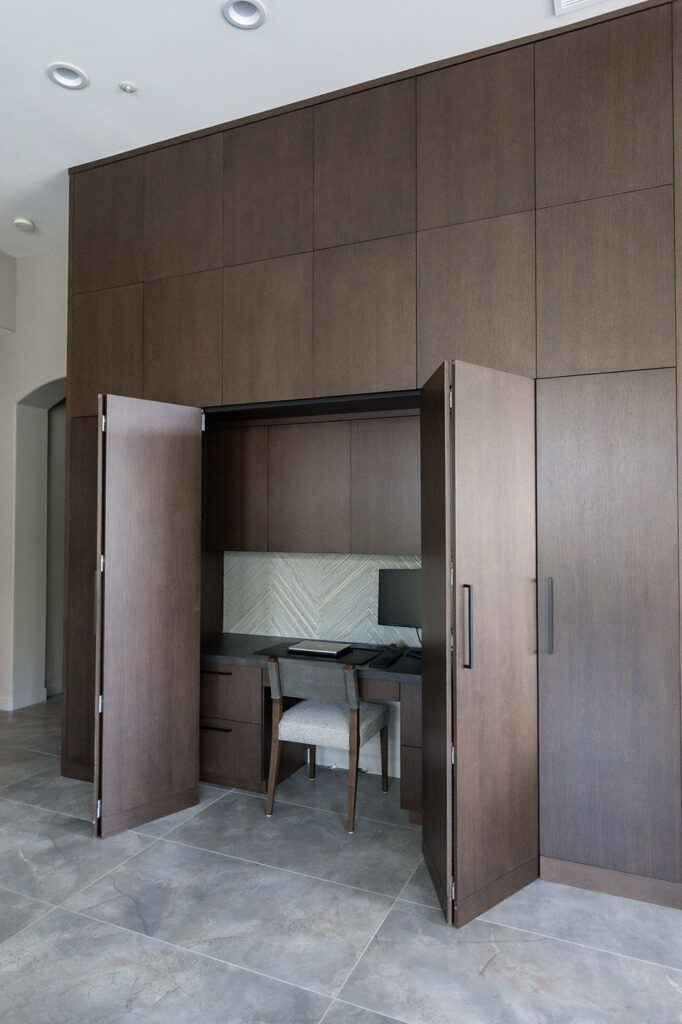
Remote work is not a trend. It is a structural shift. Pew Research data from 2025 shows that 75% of employed adults with teleworkable jobs work remotely at least part of the time, and the NAHB now lists a dedicated home office as one of the most-wanted features among homebuyers. Yet most home offices are still furnished with freestanding desks and standalone bookshelves, furniture that was not designed for the space it occupies.
Built-in office cabinetry changes the equation. A custom desk surface can be built to the ergonomic standards that govern commercial workspace design, typically 28 to 30 inches for a seated desk, with integrated cable management channels, file drawers sized for legal documents, and printer compartments that conceal equipment without restricting airflow. Unlike a freestanding desk, a built-in gets the height right the first time, because there is no opportunity to adjust it after installation.
Built-in bookshelves and library walls take the same approach. Rather than relying on freestanding units that leave gaps along walls and ceilings, custom built-ins run floor to ceiling and wall to wall, maximizing storage while creating architectural presence. Adjustable shelves on concealed pins, integrated LED lighting, and ladder rail hardware turn a spare bedroom into a functioning library or a professional office that signals permanence.
The cabinetry construction here follows the same principles as every other room: solid box construction, quality drawer slides, and finishes that coordinate with the home’s broader design language.
Laundry Rooms, Mudrooms, and Utility Spaces: From Afterthought to Asset
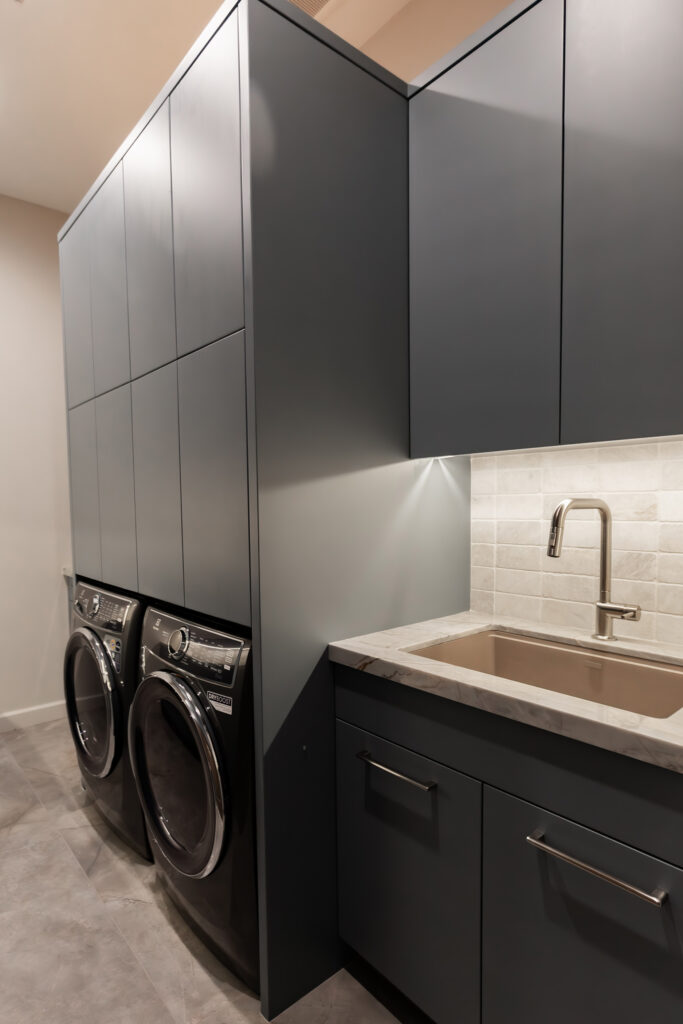
A dedicated laundry room is the single most-wanted home feature in the NAHB’s 2024 buyer survey, rated essential or desirable by 86% of respondents. Despite that demand, laundry rooms and mudrooms are still treated as utilitarian afterthoughts in most homes, with bare walls, wire shelving, and exposed plumbing.
Custom cabinetry transforms these spaces into rooms that actually function. Upper cabinets provide concealed storage for cleaning supplies and seasonal items. A countertop surface over front-loading machines creates a dedicated folding station. Pull-out hampers built into base cabinets sort laundry without cluttering the floor. And in mudrooms, built-in cubbies with hooks, boot storage, and bench seating with concealed compartments create an organized transition zone between the outdoors and the home’s interior.
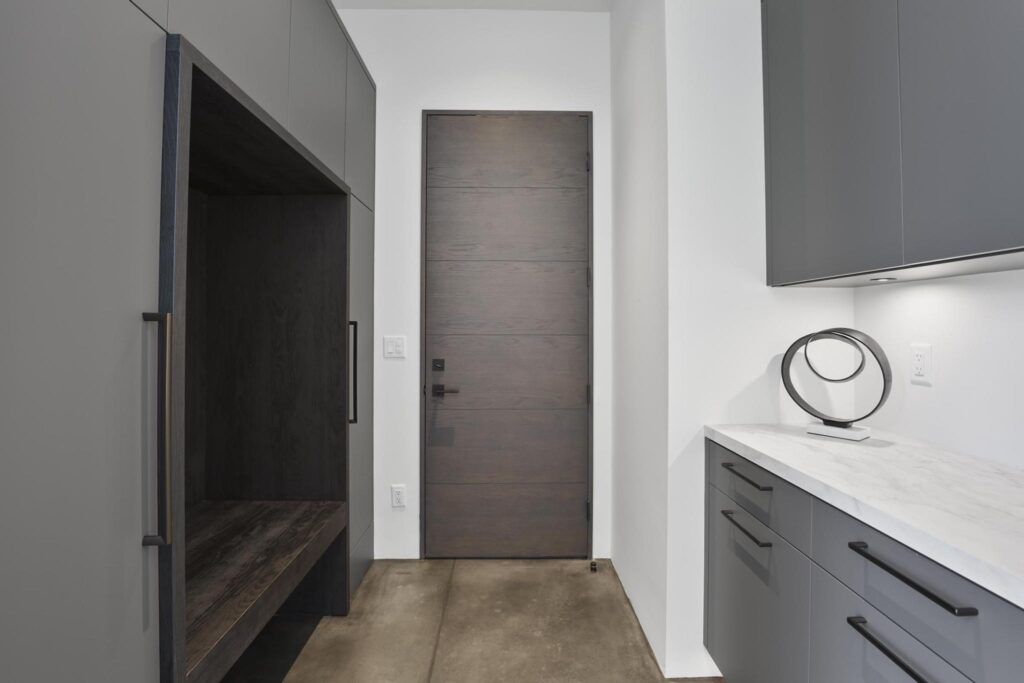
The material considerations here parallel the bathroom. Utility spaces see water, dirt, and heavy use. Cabinet finishes need to withstand cleaning products and daily wear. Hardware needs to handle frequent open-close cycles without loosening. These are the same quality benchmarks that apply to kitchen cabinetry. The room just happens to hold a washer instead of a range.
What elevates these spaces from functional to exceptional is treating them with the same design intent as the kitchen or master bath. Matching the cabinetry style, finish, and hardware to the rest of the home turns a laundry room into a space you do not mind spending time in, and it adds value that buyers notice.
Design Continuity: The Case for a Single Cabinetry Partner
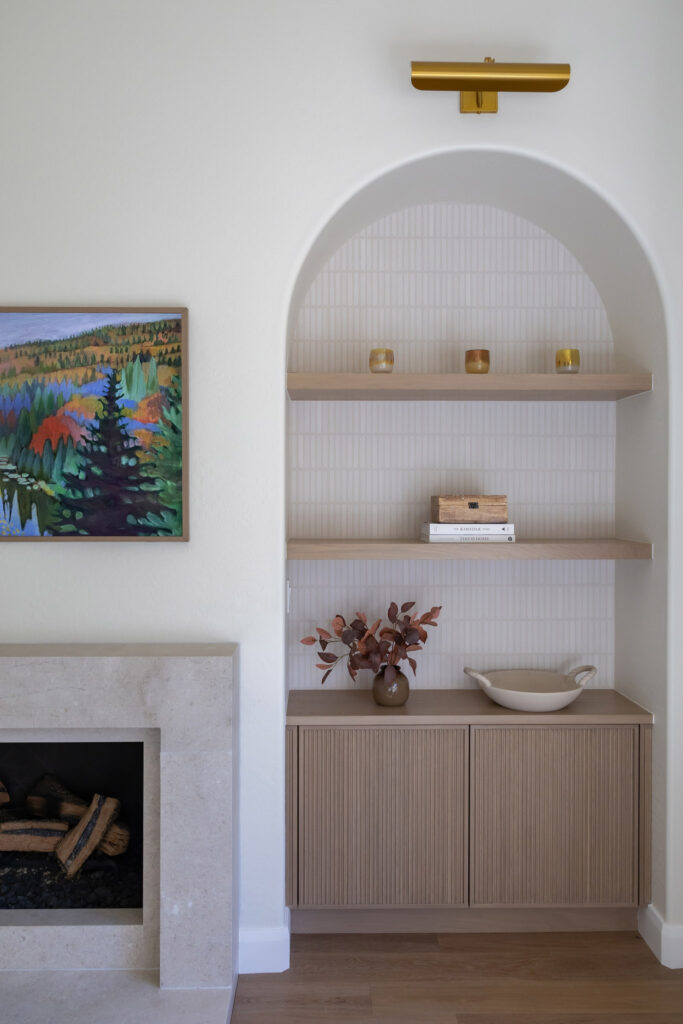
The most significant advantage of custom built-in cabinetry is not what happens in any one room. It is what happens across all of them. When the bathroom vanity, the closet system, the office built-ins, and the laundry cabinets are all designed, built, and finished by the same team, the result is a whole-home design language that feels intentional rather than assembled.
This means coordinated door styles, whether you choose inset, overlay, or slab, carried consistently across every room. It means hardware in a unified finish, whether that is brushed brass, matte black, or polished nickel, sourced from a single manufacturer like Emtek or Amerock to ensure visual consistency. It means matching wood species and stain tones so that the white oak in the kitchen reads as the same white oak in the master closet.
Achieving that level of consistency is nearly impossible when cabinetry is purchased piecemeal, a kitchen from one fabricator, a closet system from another, a vanity from a third. Each source uses different box construction methods, different finish formulations, and different hardware lines. The result is a home that looks like it was furnished over time rather than designed as a whole.
A design-build approach, where a single team manages both the design and the construction of cabinetry across every room, eliminates that fragmentation. It is the difference between a house with nice cabinets and a home with a cohesive interior design strategy executed from room to room.
Start With a Whole-Home Cabinetry Conversation
If you are planning a renovation that touches more than one room, or if you are starting with a kitchen and wondering whether the same quality should extend to the rest of your home, the answer is almost always yes. The rooms beyond the kitchen are where you will notice the difference between custom built-in cabinetry and off-the-shelf alternatives most clearly, because those are the rooms where standard solutions fall short of both the dimensions and the design intent.
At Woodcrest, we design and build custom cabinetry for every room in the home, from kitchens and bathrooms to closets, offices, laundry rooms, and beyond, using a single design-build team that ensures consistency in materials, finishes, and construction quality from the first cabinet to the last.
Work with us to start mapping out your renovation.